
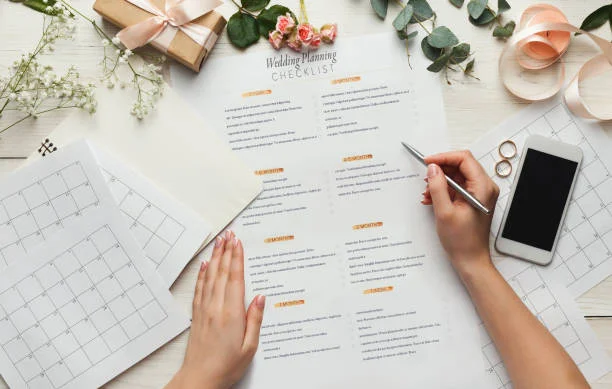
Your Wedding Checklist and Timeline: From Yes to I Do
Plan your big day with a practical wedding checklist and detailed timeline, from engagement to the wedding reception, so you can stay organized and enjoy it.
Memoring Team
Author
Your engagement is official—congratulations! Now comes the exciting (and often demanding) part: wedding planning. A clear and realistic wedding checklist and a detailed wedding timeline will keep you organized, reduce stress, and help you truly enjoy the journey toward the big day.
This complete guide gathers up-to-date tips from modern wedding planners and the best wedding resources to offer you a practical, month‑by‑month roadmap, plus ideas for your wedding reception and on‑trend touches like a video guest book for your wedding. Use this checklist as a flexible base that you can customize to fit your needs!

How to use this checklist
Before you dive into the tasks, it helps to understand how a professional wedding checklist is structured. Most experts recommend working backwards from your chosen date, prioritizing the “pillars” like venue and main vendors first, then filling in the details as you go ¹ ².
In this guide you’ll find a 12‑month wedding timeline broken down into manageable phases. If you’re planning everything in less than a year, you’ll follow the same order, just with a tighter schedule. Think of it as your master checklist, to be customized based on your budget, guest list, and style.
Bookmark this article, copy the most useful sections into your planning app or a spreadsheet, or print it out and tick items off as you complete them. The more you get your to‑dos out of your head, the lighter your mental load will be.
Your 12-month wedding checklist and timeline at a glance
Every celebration is unique, but most couples follow a similar path from engagement to wedding day. Below you’ll find a modern 12‑month wedding timeline with the key tasks for each phase.
12+ months before: vision, budget & big decisions
At the start of your engagement, the focus is on laying the groundwork for everything that follows. This is where your wedding checklist begins.
-
Set a realistic overall budget and discuss who will contribute to the expenses.
-
Sketch out an initial guest list to understand the approximate size of the event.
-
Decide on your ideal season, location, and overall style (formal, informal, destination, etc.).
-
Research and visit venues; book the ceremony site and wedding reception venue.
-
Consider hiring a wedding planner or day‑of coordinator, especially for larger weddings.
-
Book a photographer and/or videographer: the most sought‑after professionals are often reserved more than a year in advance.
Once these pillars are in place, you’ll have a date, capacity, and budget framework that will guide all the decisions that follow.
9–11 months before: key vendors & wedding party
With the essentials secured, the next phase of wedding planning is all about booking your main vendors and defining the mood and style of your big day.
-
Decide on your wedding party and ask them officially to be part of it.
-
Book catering (if not included with the venue) and bar service.
-
Hire a DJ or live band and discuss the overall vibe of the wedding reception and your must‑play/do‑not‑play lists.
-
Book your officiant and talk through the structure of the ceremony.
-
Start shopping for the wedding dress/ceremony attire and schedule fittings and alterations.
-
Research florists, décor providers, and rental companies; lock in your top choices.
-
Create your wedding website and start collecting mailing addresses.
This is also a great time to start thinking about the guest experience: how you want people to feel from the moment they arrive to the last dance, and where to weave in creative touches like a wedding video guest book.
6–8 months before: details, design & save‑the‑date
By now, your main vendors should be confirmed and your wedding checklist shifts toward design and logistics.
-
Send or publish your “save the date” announcement.
-
Choose a color palette, décor style, and any thematic elements.
-
Order bridesmaid dresses and attire for groomsmen.
-
Book makeup artists and hairstylists; schedule trial appointments.
-
Plan the order of service for the ceremony (readings, music, special traditions).
-
Start planning your honeymoon and check passport/visa requirements.
-
Look into accommodation options and room blocks for out‑of‑town guests.
Many couples also decide on reception “extras” now: photo booths or photo corners, lawn games, audio or video guest books, late‑night snacks, or unique entertainment that reflects your personality.
4–5 months before: invitations, menu & wedding reception flow
As the date approaches, your wedding reception really starts to take shape. This is when you make decisions that directly impact guest comfort and the flow of the evening.
-
Design and order invitations, ceremony programs, menus, and other printed materials.
-
Confirm the menu with your caterer; schedule tastings if available.
-
Choose your wedding cake or desserts and book the baker.
-
Plan the wedding reception timeline: entrance, first dance, speeches, cake cutting, bouquet toss, and last dance.
-
Decide on special experiences such as a station for a wedding video guest book or a phone for an audio guest book.
-
Arrange transportation if needed (for you, the wedding party, or guests).
This is also an ideal moment to prepare a first draft of your full‑day wedding timeline, from hair and makeup to your departure. Your planner or coordinator can help you refine it later.
2–3 months before: final headcount & personal touches
Your special day is coming together, and your wedding planning checklist is increasingly focused on personalization and confirmations.
-
Send out invitations (usually 6–8 weeks before the wedding).
-
Schedule final dress fittings.
-
Choose ceremony music and finalize any readings or rituals.
-
Order wedding bands and arrange engraving if desired.
-
Plan your seating chart tools and layout and any necessary signage (welcome sign, bar menu, guest book instructions).
-
Write or start writing your vows if you’ll be personalizing them.
-
Confirm timing and details with your photographer/videographer.
As RSVPs come in, fine‑tune the seating plan and make sure the venue and caterer know how many guests to expect (and any allergies or special dietary needs).
1 month before: timeline, confirmations & payments
The final month is about locking in every detail to avoid last‑minute surprises.
-
Finalize your wedding day timeline and share it with your planner, venue, DJ, photographer, and key family/wedding party members.
-
Confirm all vendor bookings, arrival times, and remaining balances due.
-
Provide the final guest count to your venue and caterer.
-
Print the seating chart, place cards, and any remaining signs.
-
Choose shoes and finalize accessories.
This is also the time to double‑check the small but crucial details: who will bring the marriage license to the venue, the rings, vow books, emergency kit, and personal items.
Wedding week & wedding day: execution & enjoyment
In the final week, your wedding checklist should be short and simple so you can focus on resting and soaking up the excitement.
-
Pack for your honeymoon and any overnight stays.
-
Drop off décor, favors, and guest book materials at the venue (including any equipment for your wedding video guest book station).
-
Do a final walk‑through of the venue with your planner or coordinator.
-
Delegate last‑minute tasks to family or wedding party members—don’t try to do everything yourselves.
On the day itself, your job is to follow the wedding timeline you’ve already created, trust your team, and let go of perfection. The goal is a meaningful celebration, not a flawless production.
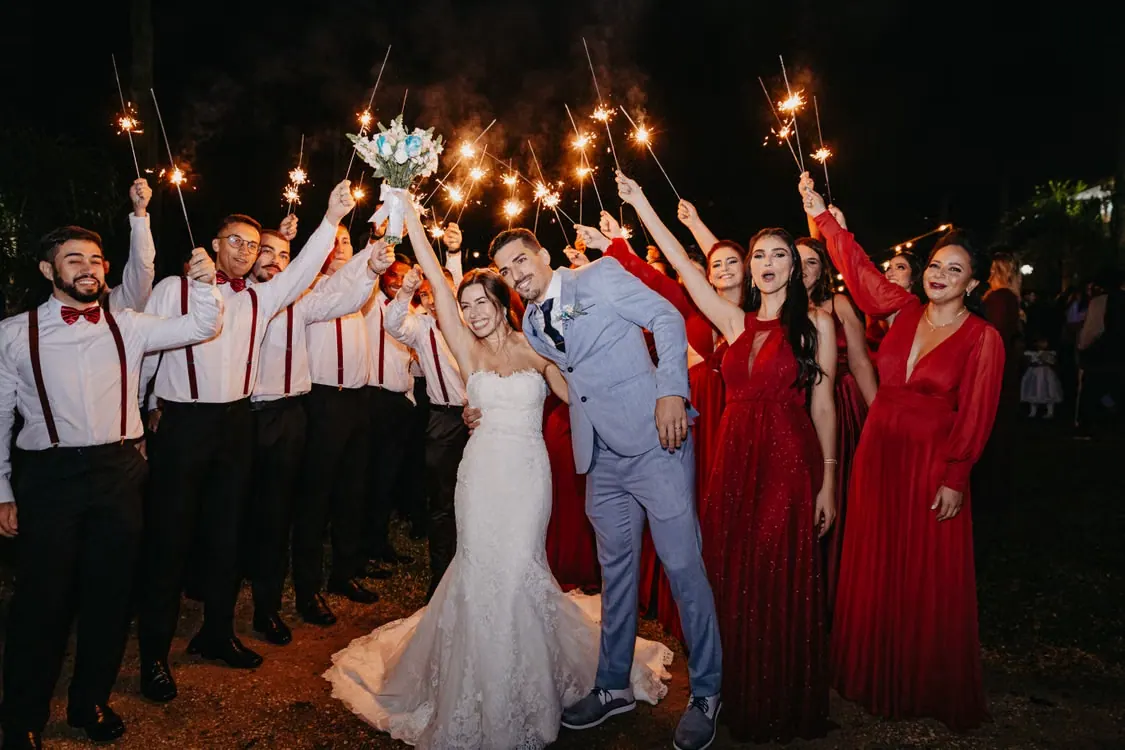
Create a wedding reception timeline that really works
Even with a solid checklist, your wedding reception can feel chaotic if you don’t think carefully about the flow. A good reception timeline balances structure and freedom so guests know what’s happening without feeling rushed.
Key moments to include in your reception plan
Most receptions include a set of core moments that you can adapt to your culture and preferences.
-
Cocktail hour with passed canapés or food stations.
-
Couple’s grand entrance and first dance (or a brief welcome speech).
-
Dinner service: plated, buffet, or family style.
-
Toasts and speeches (grouped together to keep things moving).
-
Dances with parents, open dancing, special performances, or cultural traditions.
-
Cake cutting or dessert service.
-
Any planned send‑off or last dance.
Work with your DJ, planner, and venue to place these moments within your overall wedding timeline. Build in buffers between transitions so you don’t feel rushed and guests have time to mingle.
Modern touch: adding a wedding video guest book
One of the most popular reception trends in recent years is the wedding video guest book, such as Memoring’s 2‑in‑1 video guest book. Instead of a traditional book (or in addition to it), guests record short video messages that you can rewatch for years to come ³ ⁴.
You can rent a dedicated video guest book station and work with a vendor who provides the device for the entire event.
-
Choose a quiet corner of the reception and set up a small “message station.”
-
Add clear instructions and fun prompts (e.g. “Share your favorite memory with the couple” or “Give your best marriage advice”).
-
Ask your DJ or MC to announce the video guest book a few times during the evening.
-
Ask a friend or assistant to encourage even the shyest guests to take part.

Pro tip: schedule your wedding video guest book station to open after dinner and before the dance floor really heats up. Guests will be relaxed, not yet sweaty from dancing, and more likely to leave heartfelt messages.
Practical tips to make wedding planning smoother & less stressful
A solid wedding checklist is only helpful if you can follow it without burning out. These practical strategies help keep wedding planning in the right perspective.
Batch your decisions. Group similar tasks—like contacting vendors or making décor choices—into focused sessions instead of spreading them out over the week. This makes wedding planning more efficient and less all‑consuming.
Use shared digital tools. Store contracts, payment deadlines, and checklists in a shared folder or planning app so you and your partner (and your planner, if you have one) always have the latest information.
Be realistic about DIY. Handmade projects can be meaningful, but they also take time and energy. Prioritize DIY only for the elements that truly matter to you and fit into your schedule.
Build in buffer time. When setting your wedding timeline, add a few extra minutes between major milestones, especially before the ceremony. Arriving 10–15 minutes “late” is common; planning for it in advance can prevent stress.
Protect your relationship. Schedule regular “no wedding talk” date nights where you simply enjoy each other’s company. A healthy engagement is about more than checklists and contracts.
Bringing your wedding checklist to life
From the first “Yes” to the moment you say “I do,” a well‑thought‑out wedding checklist and a realistic wedding planning timeline are your best allies for staying organized and calm. By handling the biggest decisions early, mapping out a clear reception flow, and adding meaningful touches like a wedding video guest book, you set yourselves up for an intentional, personal, joy‑filled celebration.
Use this guide as your roadmap, adapt it to the length of your engagement and your style, and don’t hesitate to ask for help from professionals, friends, and family. The result will be a smoother wedding planning journey and a wedding day you can truly experience, not just manage.